How to prevent electrical fires in older Downtown Goldsboro homes
Older Downtown Goldsboro homes hide fire risks behind plaster walls. Learn the warning signs, upgrade priorities, and inspection schedule that actually prevent fires.
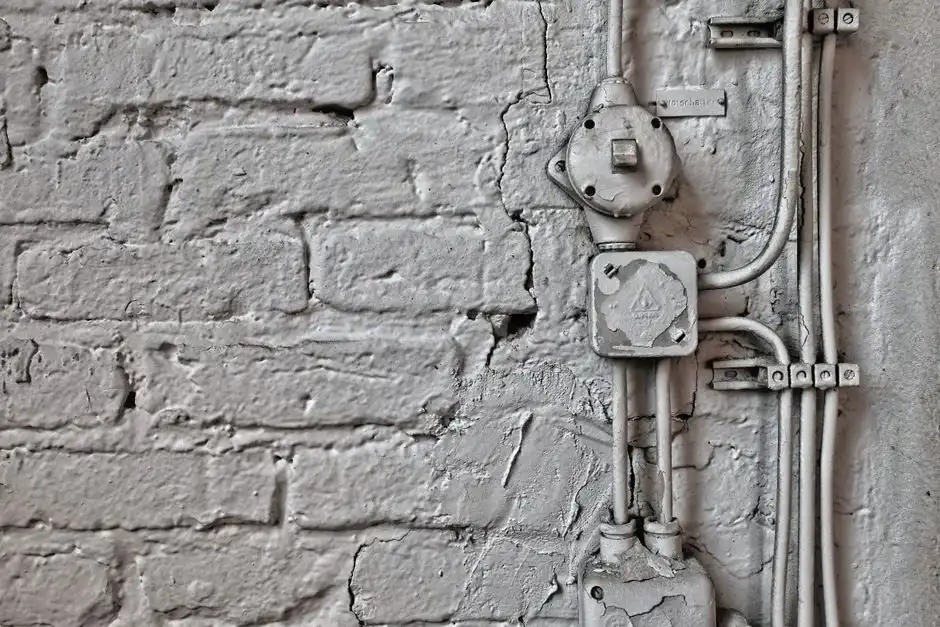
The single most effective way to prevent electrical fires in older Downtown Goldsboro homes is to replace aging knob-and-tube or aluminum branch wiring, upgrade the electrical panel to at least 200 amps, and install AFCI breakers on every bedroom and living-area circuit. Those three steps eliminate the conditions behind the majority of residential electrical fires in homes built before 1970. This post walks through the specific warning signs we see in Downtown Goldsboro's historic housing stock, the upgrades that matter most, and how often old wiring needs a professional inspection.
Preventing electrical fires in older Downtown Goldsboro homes is a maintenance discipline, not a one-time fix. The houses along West Walnut, East Chestnut, and the blocks around Center Street were wired for a fraction of the electrical load a modern household draws. Every year that gap widens.
Why older Downtown Goldsboro homes carry higher electrical fire risk
Downtown Goldsboro's historic housing stock carries higher electrical fire risk because most of it was wired between 1920 and 1965, when a household ran a few lights, a radio, and maybe one refrigerator. Today those same circuits feed 65-inch televisions, gaming PCs, space heaters, and EV chargers. The wire never got bigger. The load did.
Three wiring types dominate the older blocks near Downtown Goldsboro, and each fails in its own way:
- Knob-and-tube (pre-1950): Cloth-insulated copper conductors run through ceramic knobs in open air. The insulation turns brittle and crumbles. Rodents love it. There is no ground wire, so a fault has nowhere safe to go.
- Aluminum branch wiring (1965-1973): Aluminum expands and contracts more than copper, loosening connections at outlets and switches. Loose connections arc. Arcing ignites the dust and framing inside the wall.
- Two-wire ungrounded circuits (1950-1965): No equipment ground means a short circuit can energize a metal appliance chassis instead of tripping the breaker.
Add the reality of Downtown Goldsboro's building stock - plaster-and-lath walls, original wood framing, and attics that hit 130°F in July - and you have ideal conditions for a small arc to become a structure fire before anyone smells smoke.
If you are not sure what is behind your walls, our team handles Emergency Electrical Safety Inspection Goldsboro NC calls every week in these neighborhoods. We open a few outlets, check the panel, and tell you plainly what you are dealing with.
Warning signs of electrical fire risk in old Goldsboro homes
The warning signs of electrical fire risk in old Goldsboro homes show up long before flames do - usually as heat, smell, or repeated breaker trips. Most homeowners dismiss them as quirks of an old house. They are not quirks. They are the wiring telling you it is failing.
Watch for these, in rough order of urgency:
- Burning or fishy smell near an outlet or switch. That odor is overheated insulation. It is the closest thing to a pre-fire alarm your house has.
- Discolored or warm outlet covers. A cover plate that is brown, warped, or hot to the touch means heat is building behind it.
- Buzzing, crackling, or sizzling at the panel. Any noise from a breaker box other than a firm click is abnormal.
- Breakers that trip repeatedly. A breaker that trips more than twice in a month is doing its job - the circuit is overloaded or faulting.
- Flickering lights when an appliance kicks on. This points to a loose neutral or an undersized service.
- Two-prong outlets throughout the house. No ground path, no protection.
- Scorch marks or soot around any device. Stop using that circuit immediately.
If you see scorching, smell burning, or hear arcing, that is not a wait-and-see situation. Our technicians respond to Electrical Arcing Inspection Goldsboro NC calls with thermal cameras and test meters to find the fault before it finds the framing.
The five upgrades that actually prevent electrical fires
The five upgrades that actually prevent electrical fires in older homes are a modern panel, AFCI protection, grounded wiring, tamper-resistant receptacles, and a whole-house surge protector. Cosmetic fixes - new cover plates, fresh paint, a bigger power strip - do nothing for fire risk. These five do.
1. Replace the panel if it is a 60-amp or fuse-box setup
A 60-amp fuse panel cannot safely feed a modern home. Federal Pacific Stab-Lok and Zinsco panels are worse - they have a documented history of failing to trip on overload. A 200-amp panel with copper bus bars and modern breakers is the baseline. Typical 2026 pricing in this area runs $1,800 to $3,500 installed, depending on whether the service mast and meter base need replacement too.
We handle Electrical Panel Upgrade Goldsboro NC projects as a same-day job in most Downtown homes. Power off at 8 a.m., inspection passed by mid-afternoon.
2. Install AFCI breakers on living-area circuits
Arc-fault circuit interrupter breakers detect the signature of a dangerous arc - the kind that happens inside a wall - and cut power in a fraction of a second. The National Electrical Code has required AFCI protection on bedroom circuits since 1999 and on most living-area circuits since 2008. Older homes have none. Retrofitting AFCI breakers costs $60 to $120 per circuit in parts and labor.
3. Ground every circuit or install GFCIs where grounding is impractical
Full rewiring to add a ground path is the gold standard. Where opening walls is not feasible, GFCI receptacles provide shock protection and can be labeled "no equipment ground." That is a compromise, not a solution - but it is far safer than a bare two-prong outlet running a space heater.
4. Replace worn receptacles and switches
Backstabbed outlets - where the wire is pushed into a spring clip rather than screwed to a terminal - loosen over decades and arc. If your outlets are original to a 1950s house, they are past their service life. Replacing them is inexpensive and eliminates a common ignition point.
5. Add whole-house surge protection
A surge protector at the panel costs $250 to $500 installed and protects every circuit from utility spikes and lightning-induced surges. In a house with aging insulation, one good surge can be the event that finally breaks down a marginal wire.
How often should old wiring be inspected in Goldsboro?
Old wiring in Goldsboro should be inspected every three to five years if the home still has knob-and-tube, aluminum branch circuits, or a fuse panel. Homes that have already been upgraded to modern copper wiring and a 200-amp panel can stretch that to every five to ten years.
There are also event-based triggers that should override the calendar:
- After any storm that caused a surge, brownout, or partial power loss
- Before adding a major appliance - EV charger, heat pump, tankless water heater, hot tub
- After any burning smell, sparking, or repeated breaker trip
- Before buying or renting out an older home
- After a roof leak or plumbing leak that soaked a wall with wiring in it
A proper inspection takes 90 minutes to two hours and covers the panel, every accessible outlet and switch, the attic and crawlspace wiring, and the grounding electrode. We test with a meter, not just a visual glance. If you are in a rental, we also handle Emergency Electrical Repair for Rental Properties Goldsboro NC and can coordinate directly with your tenant or property manager.
Common mistakes that raise fire risk in older homes
The most common mistake in older homes is treating a 15-amp circuit like it can handle anything you plug into it. It cannot. A single 1,500-watt space heater draws 12.5 amps - 83% of a 15-amp circuit's capacity. Add a TV and a lamp and you are over the limit.
Other mistakes we see constantly in Downtown Goldsboro:
- Replacing a 15-amp breaker with a 20-amp breaker to stop nuisance trips. This removes the safety margin and lets the wire overheat. Never upsize a breaker without upsizing the wire.
- Piggybacking multiple extension cords into one outlet. Daisy-chained cords are a leading cause of outlet fires.
- Running space heaters on extension cords. Cord ratings assume short runs in open air, not coiled under a rug.
- Ignoring aluminum wiring. Aluminum is not automatically dangerous, but every connection needs a listed copper pigtail or AlumiConn connector. Untreated aluminum connections at outlets are a known fire cause.
- Covering the panel with shelves or drywall. Breakers need air circulation and clear access. A covered panel runs hotter and is harder to shut off in an emergency.
- DIY outlet swaps in knob-and-tube homes. Old cloth insulation crumbles the moment you touch it. What looked like a simple swap becomes an exposed conductor inside the wall.
If a DIY project has already gone sideways, call us. We handle Damaged Electrical Wire Repair Goldsboro NC as an emergency service and can usually make the circuit safe the same day.
When to call a professional
Call a licensed electrician the moment you see scorch marks, smell burning insulation, hear arcing, or have a breaker that will not reset. Those are not maintenance items. They are active fire hazards, and every hour you wait increases the odds of a structure fire.
You should also call us for the slower problems - a panel that has not been inspected in a decade, a house full of two-prong outlets, or a renovation that is about to add load to a circuit you have never looked at. Goldsboro Electric Response works Downtown Goldsboro and the surrounding neighborhoods daily, and we can usually be on-site within an hour for genuine emergencies.
We also serve the surrounding region. If you are outside the downtown core, our team covers Emergency Electrical Repair Goldsboro NC across the whole city and can dispatch to your address the same day you call.
Frequently Asked Questions
How can I prevent electrical fires in my older Downtown Goldsboro home?
Replace knob-and-tube or aluminum branch wiring, upgrade to a 200-amp panel with AFCI breakers, and get an inspection every three to five years. Never upsize a breaker to stop trips, and keep space heaters off extension cords. Those five habits eliminate most residential electrical fire causes.
What are signs of electrical fire risk in old Goldsboro homes?
Burning or fishy odors near outlets, warm or discolored cover plates, buzzing at the panel, breakers that trip repeatedly, and flickering lights when appliances start. Any scorch mark or soot around a device means the circuit is already failing and needs immediate attention.
Should I get an electrical inspection for my older Goldsboro home?
Yes, if your home was built before 1970 or still has a fuse panel, knob-and-tube wiring, or two-prong outlets. A 90-minute inspection costs $150 to $350 in 2026 and identifies the specific fire risks in your walls before they cause a problem.
How often should old wiring be inspected in Goldsboro?
Every three to five years for homes with original wiring, fuse panels, or aluminum branch circuits. Upgraded homes with modern copper wiring and a 200-amp panel can go five to ten years between inspections. Any burning smell, sparking, or storm surge should trigger an immediate inspection regardless of schedule.
Who can help prevent electrical fires in Downtown Goldsboro?
Goldsboro Electric Response handles electrical safety inspections, panel upgrades, AFCI installation, and emergency repairs throughout Downtown Goldsboro and the surrounding area. We are licensed, insured, and on call for same-day emergency response when something has already gone wrong.
Get help with Emergency Electrical Repair in Goldsboro
If you have smelled burning, seen sparks, or found a panel you do not trust, do not wait for it to get worse. Our team is on call for Emergency Electrical Repair in Downtown Goldsboro and can be at your door within the hour.
Call (919) 335-9816 now and we will make your home safe today.