Breaker trips every time a large appliance runs
We test the circuit's actual load with a clamp meter. If the breaker is tripping below its rating, we replace it. If the load is genuinely too high, we discuss a dedicated circuit.
When a breaker keeps tripping or your panel smells hot, you need Circuit Breaker Replacement Goldsboro NC fast. We handle breaker swap Goldsboro jobs for homes and businesses across Wayne County, from Downtown Goldsboro to Rosewood. Our licensed electricians diagnose the fault, replace the breaker, and test the circuit before we leave. Call (919) 335-9816.
Tell us what is happening. Our local team will confirm your visit shortly.
Call Now (919) 335-9816 → No spam. No obligation. Just practical help.
Circuit Breaker Replacement Goldsboro NC means pulling a failed or worn breaker out of your panel and installing a new one that matches your panel's amperage and bus rating. We kill power at the main, test for voltage with a Fluke meter, then swap the breaker and torque the terminals to spec. Most homes in Goldsboro have 200-amp panels, and a single-pole replacement usually takes 45 to 90 minutes from arrival to final test.
Goldsboro's older housing stock, especially around East End and West End, still runs original 100-amp panels with breakers that have tripped hundreds of times. Summer heat pushes HVAC loads past 40 amps, and winter space heaters add another 12 to 15 amps per room. That cycling wears the internal spring and contacts until the breaker won't reset. If you're searching for circuit breaker replacement near me Goldsboro NC, we can usually be on-site the same day.
Every breaker replacement includes diagnosis, the new breaker, installation, and a load test. We don't charge extra for the testing or the walkthrough. If the panel needs more than a breaker, we quote that separately before doing any work.
We test the breaker, the load wire, and the downstream outlets before replacing anything. If the breaker is fine and the problem is elsewhere, we tell you and fix the real issue.
We install a new breaker matched to your panel's brand and amperage. Square D panels get Square D breakers, Eaton gets Eaton. Mixing brands is a code violation and a fire risk.
Every lug is tightened to the manufacturer's printed torque spec with a calibrated driver. Loose terminals are the number one cause of panel fires, and this step prevents them.
We run a load close to the breaker's rating and watch for voltage drop and heat. A breaker that holds 18 amps on a 20-amp circuit is good. One that trips at 15 amps is going back.
We label the new breaker clearly and update your panel schedule if it's missing or wrong. Next time you trip a circuit, you'll know exactly which breaker to reset.
You call (919) 335-9816 and describe the symptom: tripping, buzzing, burning smell, or partial power loss. We ask which rooms are affected and whether the breaker resets. That five-minute conversation tells us whether you need a simple swap or a full panel inspection.
We arrive with a Fluke clamp meter, a voltage tester, and a circuit breaker finder. First we verify the breaker is actually bad and not a downstream short. We check voltage at the panel, inspect the bus bar for corrosion, and look for water damage or heat marks.
We shut off the main, lock it out, and pull the old breaker. The new breaker gets seated on the bus, the load wire is stripped with a Klein wire stripper, and the terminal is torqued to the manufacturer's spec. A Square D breaker gets Square D torque, not a generic guess.
Power comes back on and we load the circuit: a heat gun, a hair dryer, whatever pulls close to the breaker's rating. We watch for voltage drop and heat at the terminal with an insulation resistance tester and clamp meter. If the breaker holds, we button up the panel.
We show you the old breaker, explain why it failed, and label the new one clearly. You get a written summary of what we replaced and the torque values we used. If we found a bigger issue, like a water damaged electrical panel, we tell you straight.
Purpose-built equipment, used by trained technicians — so the job is done accurately the first time.
Measures actual current on the circuit so we know whether the breaker is tripping below its rating or the load is genuinely too high.
Confirms power is dead before we touch a terminal. Non-contact testing keeps our hands out of live panels.
Traces which breaker feeds which outlet when the panel schedule is wrong or missing. Saves 20 minutes on every job.
Checks the wiring for hidden faults that would trip a new breaker. If the wire is bad, a new breaker won't fix it.
Tightens breaker lugs to the manufacturer's printed spec. A loose lug causes heat, and heat causes fires.
We stock the two most common panel brands in Goldsboro so most jobs finish in one visit without a supply house run.
A homeowner in Cloverdale had a 20-amp kitchen breaker that tripped whenever the microwave and toaster ran together. The breaker was 22 years old and had tripped hundreds of times. The panel schedule was wrong, so they didn't know which breaker to reset.
We replaced the worn breaker with a new 20-amp Square D unit, corrected the panel schedule, and load tested the circuit at 18 amps. The kitchen now runs both appliances without a trip. Total job time was 75 minutes.
A rental property in Lincoln Homes had a burning smell coming from the panel. The tenant had been resetting a breaker that kept tripping. The breaker terminal was loose and had arced, leaving carbon marks on the lug.
We replaced the breaker, cleaned the carbon from the terminal, and torqued the new lug to spec. The panel passed a load test, and the landlord got photos and an invoice for the file. No more smell.
A restaurant in Downtown Goldsboro lost power to its walk-in cooler on a Friday night. The double-pole breaker had failed internally and wouldn't reset. The kitchen was losing temperature fast.
We came out after close, replaced the 30-amp double-pole breaker, and load tested the cooler circuit. The cooler was back to temperature before Saturday service. We also checked the other kitchen breakers for heat damage.
Most breaker calls come down to four symptoms. Here's what they mean and how we fix them.
Ask a pro →We test the circuit's actual load with a clamp meter. If the breaker is tripping below its rating, we replace it. If the load is genuinely too high, we discuss a dedicated circuit.
We inspect the panel for heat damage, replace the failed breaker, and check every terminal torque. If the bus bar is damaged, we quote an Electrical Panel Replacement instead.
We isolate the circuit, confirm the breaker is mechanically failed, and install a new one. If the breaker trips instantly on reset, there's a short circuit we need to find first.
We tighten the panel connections, test the breaker under load, and replace it if it's dropping voltage. Most flickering stops after a new breaker and proper torque.
$185 - $450 depending on breaker type and panel condition
Typical 2026 pricing in Goldsboro runs $185 to $325 for a single-pole breaker installed, and $275 to $450 for a double-pole 240-volt breaker. AFCI and GFCI breakers add $40 to $80 because the breaker itself costs more. If the panel has corrosion or the bus bar is damaged, the price goes up because the job becomes an Electrical Panel Replacement. We quote the price before we start, and the quote includes the breaker, the labor, the testing, and the walkthrough.
A breaker replacement costs less than a service call after a fire. We use the right breaker, torque it to spec, and test it under load. That's what makes the difference between a fix and a callback.
A standard single-pole 20-amp breaker is the cheapest. Double-pole 240-volt breakers cost more because the breaker is larger. AFCI and GFCI breakers add cost because they contain electronics.
Square D and Eaton breakers are common and affordable. Obsolete brands like Federal Pacific or Zinsco require a different approach, often a full panel replacement, because replacement breakers aren't safely available.
If the bus bar is corroded or the main lugs are heat damaged, a simple breaker swap isn't safe. We'll quote the panel repair or replacement before doing anything.
A panel in a finished basement or behind drywall takes longer to access. A panel in a garage or utility room is a straightforward job. Access affects labor time, not the breaker price.
“My kitchen breaker kept tripping every time the microwave ran. The tech tested the circuit, showed me the burned contact on the old breaker, and had a new Square D in within an hour. He torqued the lugs and wrote the value on the invoice. No trips since.”
Marcus T.Homeowner, Downtown Goldsboro
✓ Verified“I manage three rentals in Goldsboro and one had a breaker that wouldn't reset. They came out same day, replaced it, and checked the other two panels while they were there. Fair price, no upsell, and they emailed me the invoice for my records.”
Denise W.Landlord, Rosewood
✓ Verified“Our walk-in cooler breaker failed on a Friday night. They came out after close, swapped the double-pole breaker, and tested it under load. Saved me a weekend of spoiled food. I've used them twice since for other electrical work.”
Ray P.Restaurant Owner, East End
✓ VerifiedMost single-pole replacements in Goldsboro run $185 to $325 installed, and double-pole 240-volt breakers run $275 to $450. The cost to replace a circuit breaker in Goldsboro depends on breaker type, panel brand, and whether the panel needs other work. AFCI and GFCI breakers cost more than standard units because the breaker itself is $45 to $90.
Licensed electrical contractors replace circuit breakers in Goldsboro NC. We hold an NC Electrical Contractor License and carry the insurance and bonding the state requires. A handyman can swap a breaker, but if the panel has heat damage or the wiring is aluminum, you want a licensed electrician who can spot the bigger problem.
A single breaker swap takes 45 to 90 minutes from arrival to final test. Double-pole replacements and AFCI upgrades run closer to two hours. If we find a short circuit or damaged wiring feeding the breaker, the job can stretch to three or four hours, and we'll tell you before we start.
You can, but the risk isn't worth it. The panel still has live main lugs even with the breaker off, and one slip with a screwdriver can arc across 240 volts. We've seen DIY jobs where the breaker wasn't seated on the bus correctly, which causes overheating. A licensed electrician carries the tools, the torque spec, and the insurance.
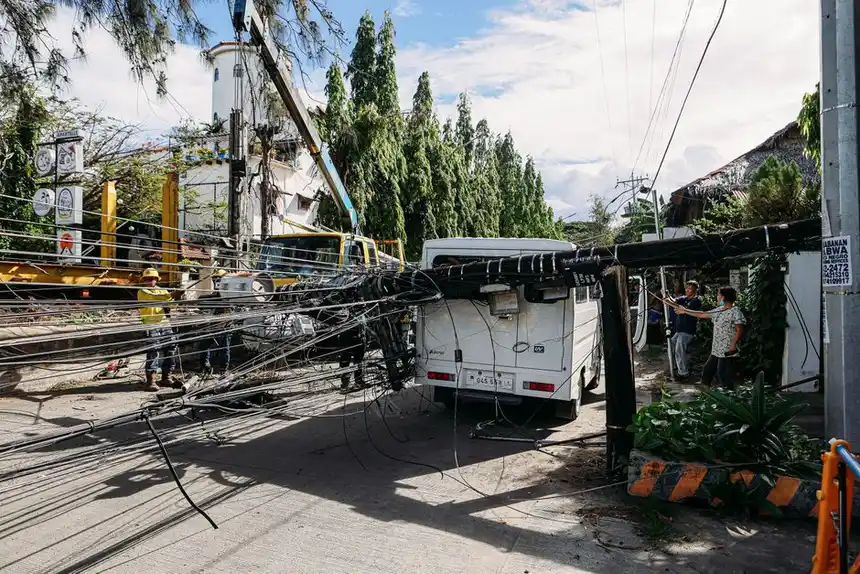 Residential Emergency ElectricianWhen a breaker fails at home, you need a residential emergency electrician who can get there fast. We handle everything from a single breaker swap in Goldsboro to full panel diagnostics for homeowners across Wayne County.Explore →
 Commercial Emergency ElectricianA tripped main breaker in a restaurant or office kills revenue by the hour. Our commercial emergency electricians replace breakers and restore three-phase power for Goldsboro businesses, often within the same afternoon.Explore →
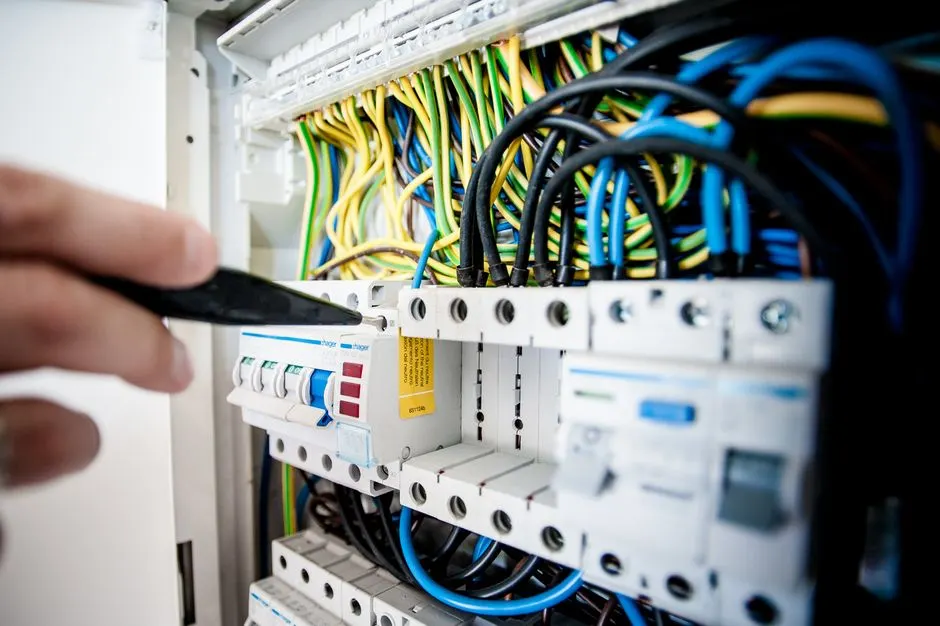 Emergency Circuit Breaker RepairSometimes a breaker just needs to be reset or the fault is downstream. Emergency circuit breaker repair covers diagnosis, tightening, and resetting before we recommend a full replacement. We only swap what's actually failed.Explore →
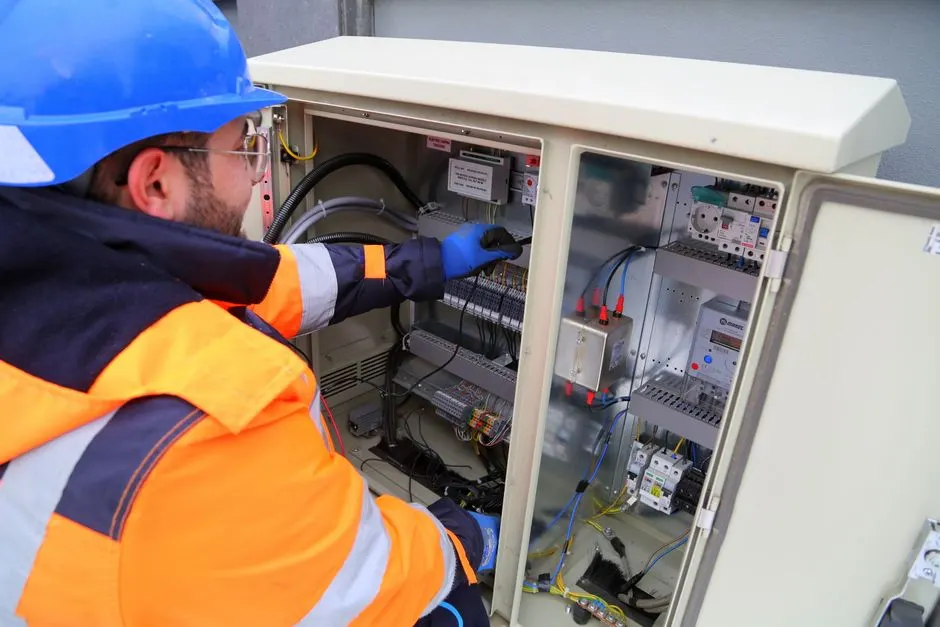 Emergency Electrical Panel RepairIf your panel bus is corroded or the main breaker is failing, a single breaker swap won't fix it. Emergency electrical panel repair addresses the whole enclosure, including main lugs, bus bars, and grounding.Explore →
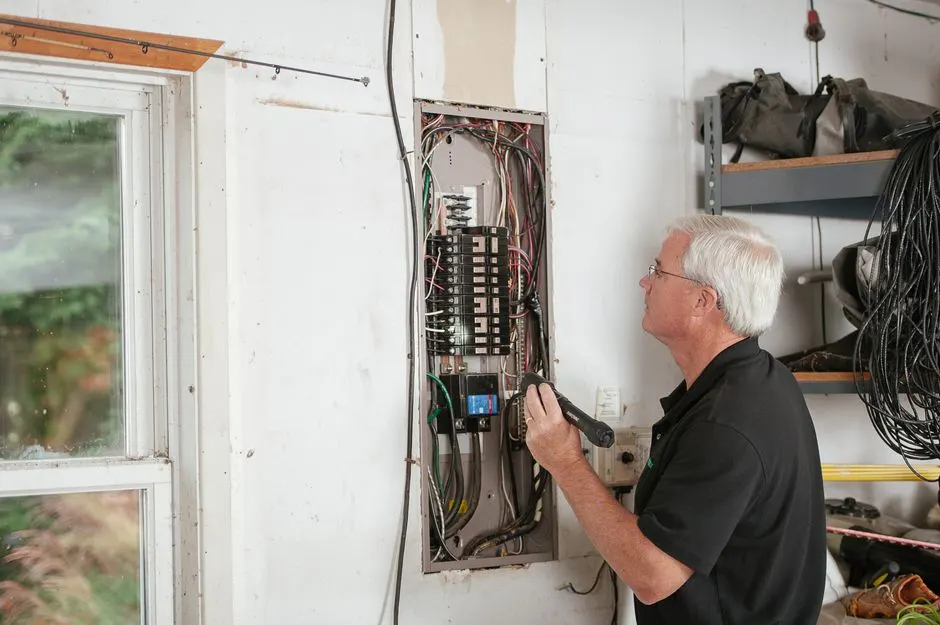 Electrical Panel ReplacementWhen a panel is obsolete or water damaged, replacing breakers is throwing money at a dead horse. We install new 200-amp panels with modern breaker compatibility, which is often cheaper long-term than repeated repairs.Explore →
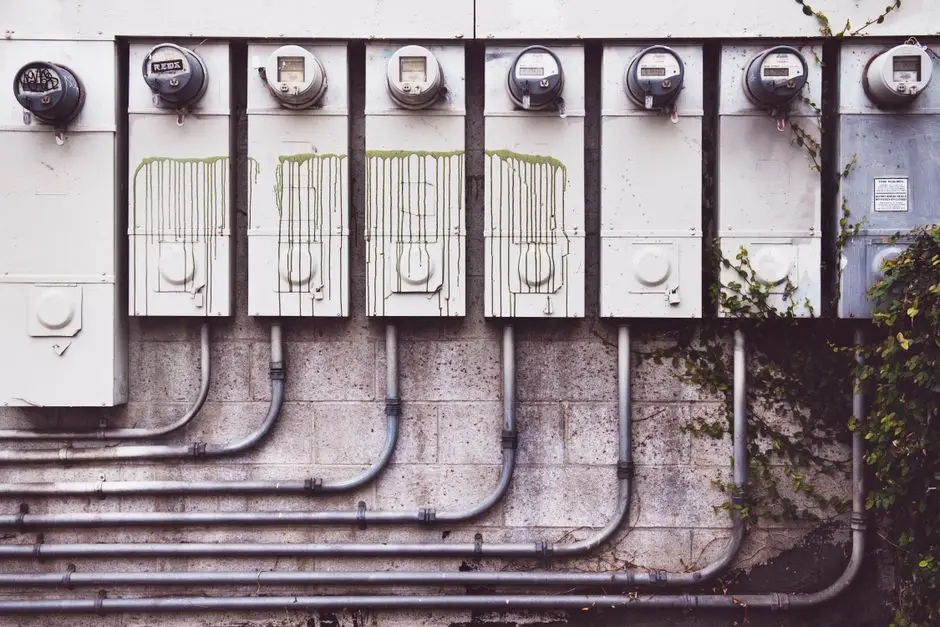 Electrical Panel UpgradeAdding a heat pump, EV charger, or workshop? An electrical panel upgrade from 100 to 200 amps gives you the capacity. We coordinate the breaker replacement and the utility disconnect so it's one job, not three.Explore →
 Emergency Power Loss TroubleshootingPartial power loss often traces back to one leg of the main breaker or a failed double-pole unit. We troubleshoot the whole path from meter to outlet before replacing anything.Explore →
 Partial Power Loss RepairHalf your house dead usually means a dropped leg at the panel. Partial power loss repair includes testing the main breaker, the bus, and the service entrance, then replacing the failed component.Explore →
Call (919) 335-9816 and we'll get a licensed electrician to your door, often the same day. We stock breakers for Square D, Eaton, Siemens, and Cutler-Hammer panels, so most jobs finish in one visit. Upfront pricing before we start.
Call Now (919) 335-9816 →Call (919) 335-9816 any time, day or night. We answer live, give you a real arrival window, and dispatch the nearest truck. For non-emergency questions, email info@goldsboroelectricresponse.com and we will get back to you the same business day.