Breaker trips every time you reset it
We isolate the circuit, meter it under load, and trace the fault to the outlet, splice, or breaker causing it. Once we repair the connection, the breaker holds and we verify it with a 30-minute load test.
Electrical Arcing Inspection Goldsboro NC traces the sparking, buzzing, and burning smells that hide behind your walls. We test every outlet, switch, and breaker with a Fluke clamp meter and thermal camera, then hand you a written report the same day. If your lights flicker or a receptacle feels hot, call (919) 335-9816 now.
Tell us what is happening. Our local team will confirm your visit shortly.
Call Now (919) 335-9816 → No spam. No obligation. Just practical help.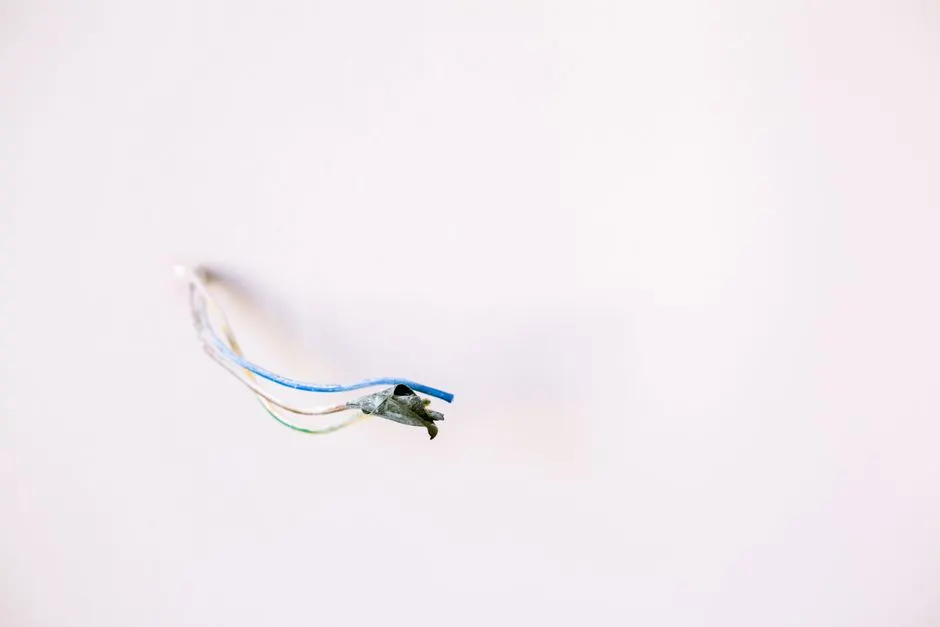
Electrical Arcing Inspection Goldsboro NC is a diagnostic service that locates the loose connections, damaged insulation, and failing breakers that throw invisible sparks inside your wiring. An arc is a miniature lightning bolt jumping across a gap where metal should be tight. It runs at thousands of degrees, hot enough to ignite Romex wire insulation, drywall paper, and the wood behind it. We use a Fluke clamp meter, a receptacle tester, and a thermal camera to find those gaps before they find you.
Goldsboro homes built before 1980 often still run original two-wire circuits with worn outlets and aluminum branch wiring. Add our humid summers and storm-season power surges, and you get the exact conditions that cause arcing. If you have been searching for arcing inspection near me Goldsboro NC because a breaker keeps tripping or an outlet smells like burnt plastic, that is your cue to call. We answer 24/7 and roll a truck to Wayne County addresses the same day.
Every inspection includes the panel, the suspect circuits, and a written report. Repairs are quoted separately once we know what failed. If the fix is a simple outlet or breaker, we usually handle it on the spot for the cost of the part plus labor.
We remove the dead front, inspect every breaker lug and bus connection, and thermal-scan the panel under load. Loose neutrals, scorched bus bars, and pitted breaker contacts all show up in this step.
Each suspect circuit gets loaded with a Fluke clamp meter while we watch for voltage drop. A circuit that sags more than 5 percent under load has a bad connection, and we trace it to the exact device or splice.
We open every receptacle and switch on the affected circuit and inspect the terminations. Back-stabbed wires, melted wire nuts, and scorched terminals are the most common findings in Goldsboro's older housing stock.
A thermal camera shows hot spots that a visual inspection misses. We scan the panel, outlets, and accessible wiring for temperature rises that signal resistance heating, which is the precursor to arcing.
You get photos, meter readings, and thermal images in a report you can hand to an insurance adjuster or a real estate agent. It lists what failed, what we repaired, and what needs monitoring.
We ask three questions: what you smell or see, which rooms are affected, and whether the breaker has tripped. That tells us whether to have you kill the main and wait outside or whether we can start at the panel. Takes about four minutes.
We pull the dead front and inspect every breaker lug, bus bar, and neutral connection with a torque screwdriver and thermal camera. Loose lugs and scorched bus bars show up fast. This step usually runs 20 to 30 minutes on a 200-amp panel.
We load each circuit with a Fluke clamp meter and watch for voltage drop that signals a bad splice. A healthy 120-volt circuit holds steady. One that sags to 108 volts under load has a loose connection somewhere, and we trace it room by room.
Every receptacle, switch, and junction box on the suspect circuit gets opened and inspected. We look for back-stabbed wires, scorched terminals, melted wire nuts, and aluminum-to-copper splices. Most arcing we find lives inside a $2 outlet or a hidden junction box.
You get the written findings, photos, and a straight answer on what has to be fixed today versus what can be scheduled. If it is a simple outlet swap, we do it on the spot. If it is a panel issue, we quote the repair and get you on the schedule.
Purpose-built equipment, used by trained technicians — so the job is done accurately the first time.
Measures current on each circuit without disconnecting wires. A clamp reading that is higher than expected points to resistance heating, which is the step before arcing.
Shows hot spots at panels, outlets, and splices that a visual inspection cannot see. We scan under load so resistance heating shows up clearly.
Meggers the wiring to find insulation breakdown that allows current to leak and arc between conductors. Essential on older Romex and THHN runs.
Checks polarity, grounding, and GFCI function at every outlet. A miswired or ungrounded receptacle is a common arcing point in older homes.
Confirms a circuit is dead before we open a box. Safety first, every time, on every circuit.
Tightens breaker lugs and neutral bars to the manufacturer's inch-pound spec. Loose lugs are one of the top causes of panel arcing.
A homeowner in Berkeley had a bedroom breaker tripping three times a week. They had reset it a dozen times over a month. Our clamp meter showed a 9-volt drop on that circuit under load, and the thermal camera found a scorched back-stabbed outlet behind a dresser.
We replaced the outlet with a Leviton device, re-terminated the wires on the screws, and swapped the pitted breaker. The circuit held steady through a 30-minute load test, and the homeowner has not had a trip since.
An East End restaurant had kitchen circuits tripping during dinner rush. Two outlets showed scorch marks, and the panel had a pitted breaker from repeated surges. The kitchen was losing power three or four times a week.
We replaced both outlets, swapped the breaker, and split the kitchen load across two circuits so no single run carried the whole kitchen. The restaurant has run six months without a trip, including through the summer storm season.
After a summer storm, a Rosewood homeowner noticed a burning smell near the panel and half the house was dead. The thermal camera showed two hot breaker lugs and a corroded neutral bar. The panel had taken a surge through the service.
We replaced the damaged breakers, cleaned and re-torqued the neutral bar, and verified voltage on both legs. Power was fully restored the same day, and the panel ran cool under load.
Most arcing calls start with one of these four complaints. Each one has a specific cause, and each one gets a specific fix, usually the same day you call.
Ask a pro →We isolate the circuit, meter it under load, and trace the fault to the outlet, splice, or breaker causing it. Once we repair the connection, the breaker holds and we verify it with a 30-minute load test.
We kill the circuit, open the box, and thermal-scan for the heat source. Usually it is a back-stabbed wire or a loose wire nut. We replace the device, re-terminate the wires, and confirm the smell is gone before restoring power.
We meter the circuit while the appliance runs, find the voltage drop, and repair the splice or neutral connection causing it. Then we re-test with the same load to prove the flicker is gone.
We replace the receptacle with a new Leviton or Eaton device, inspect the box for melted insulation, and check the breaker for heat damage. If the circuit is overloaded, we tell you what needs to move to a different circuit.
$180 - $450 diagnostic, plus $75 - $250 for common repairs
Typical 2026 pricing for an electrical arcing inspection in Goldsboro runs $180 to $450 for the diagnostic, depending on home size and how many circuits we test. Simple repairs like an outlet or breaker swap add $75 to $250. Panel repairs or replacements are quoted separately once we see the damage. We give you the diagnostic price before we start, and we do not charge a second trip fee if the repair is done the same visit.
The diagnostic is the cheapest part of the job. Finding and fixing one arcing outlet costs less than a deductible and a lot less than rebuilding a burned room. We document everything so you know exactly what you paid for and what is safe.
A 1,200-square-foot home with 15 circuits takes less time than a 3,000-square-foot home with 40. More circuits mean more load tests and more outlets to open, which raises the diagnostic time and cost.
Older homes with two-wire circuits, aluminum branch wiring, or knob-and-tube remnants take longer to inspect safely. We spend extra time at each device because that is where arcing hides in older Goldsboro housing.
Furniture against outlets, a panel behind stored boxes, or a crawlspace run all add labor time. Clearing access before we arrive keeps the diagnostic at the lower end of the range.
A single outlet or breaker swap is a quick fix. A damaged panel, multiple failed splices, or a circuit that needs rewiring adds parts and labor. We quote the repair after the diagnostic so you see the exact scope.
“Breaker kept tripping in our back bedroom for a week. Goldsboro Electric Response came out same day, found a scorched outlet behind the dresser, and replaced it plus the breaker. The thermal camera showed the heat before anything caught fire. Straight talk, fair price, done in two hours.”
Marcus T.Homeowner, Berkeley
✓ Verified“I manage four rentals and one tenant reported a burning smell. They treated it as an emergency, got there in under an hour, and traced it to a loose neutral in a junction box. Fixed it, documented everything for my records, and did not try to sell me a panel I did not need.”
Denise W.Landlord, Downtown Goldsboro
✓ Verified“Our kitchen circuits were tripping during dinner rush. They came after close, found arcing at two back-stabbed outlets and a pitted breaker, and had us running the next day. They knew exactly what to check on an older building and did not waste time guessing.”
Ray P.Restaurant Owner, East End
✓ VerifiedMost residential arcing inspections in Goldsboro run $180 to $450 in 2026, depending on home size and how many circuits we test. A single-circuit diagnostic starts at the low end. A full-panel inspection with thermal imaging on a 2,000-square-foot home sits at the top. If we find a simple outlet or breaker fault, the repair is usually another $75 to $250.
A licensed electrician with diagnostic meters does, not a home inspector or handyman. We hold an NC Electrical Contractor License and carry Fluke clamp meters, insulation resistance testers, and thermal cameras. Goldsboro Electric Response covers all of Wayne County, including ZIP codes 27530, 27531, and 27534.
Yes. We run same-day electrical arcing inspection Goldsboro NC appointments for calls placed before 2 p.m., and we answer emergency arcing inspection Goldsboro calls 24/7. If you smell burning at the outlet or see sparks, kill the breaker and call (919) 335-9816. We treat those as priority dispatches.
Loose wire nuts, back-stabbed outlets, corroded breaker lugs, and rodent-chewed Romex are the top four causes we find. Goldsboro's humid summers accelerate corrosion on aluminum and copper connections, and storm-season surges stress older panels. A tripped circuit breaker that keeps resetting is the most common early warning.
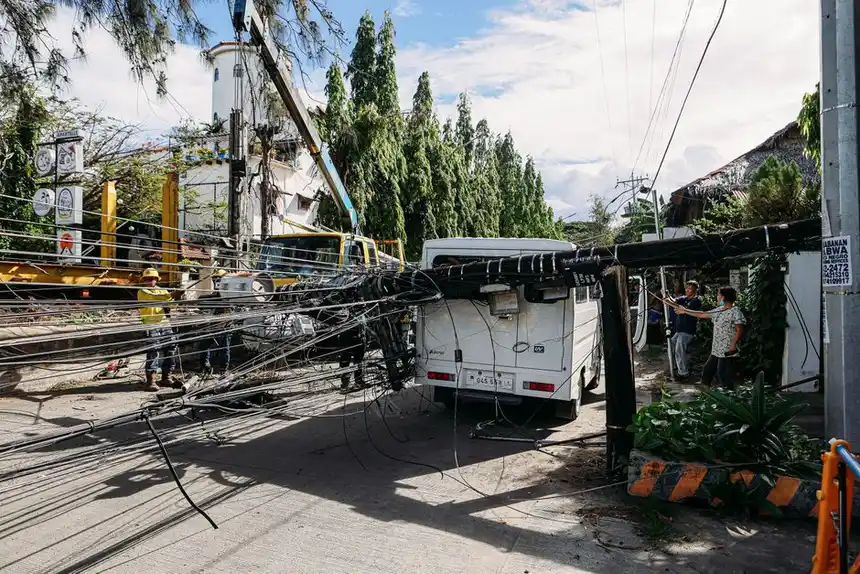 Residential Emergency ElectricianWhen arcing trips a breaker at midnight, our residential emergency electricians restore power and isolate the fault. We handle everything from a single dead circuit to a full-service outage in Goldsboro homes, and we document the repair for your records.Explore →
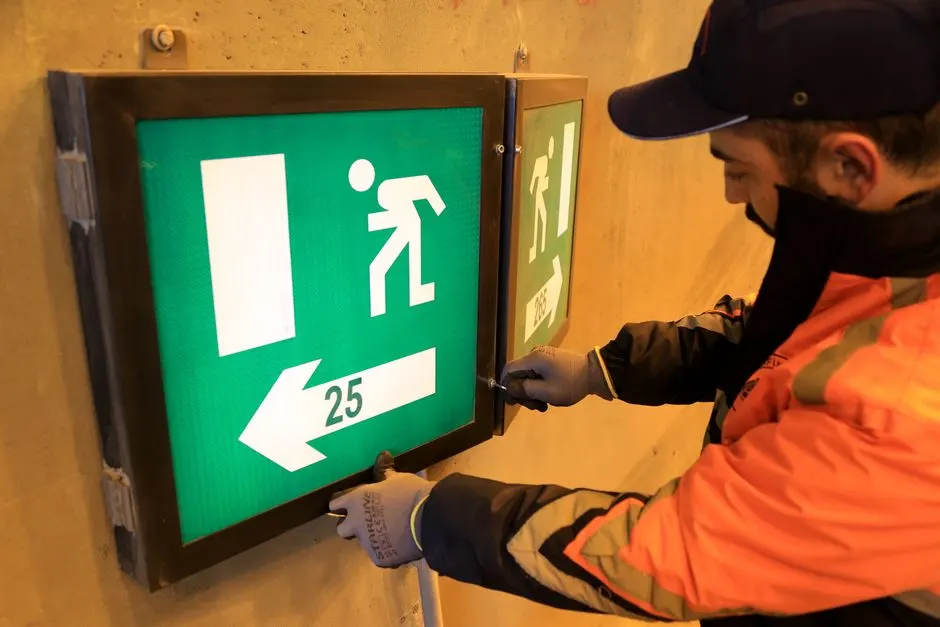 Commercial Emergency ElectricianRestaurants, offices, and retail spaces in Downtown Goldsboro cannot wait on a standard appointment. Our commercial crew responds 24/7, isolates the arcing circuit, and gets your registers, coolers, and lights back online without a second outage.Explore →
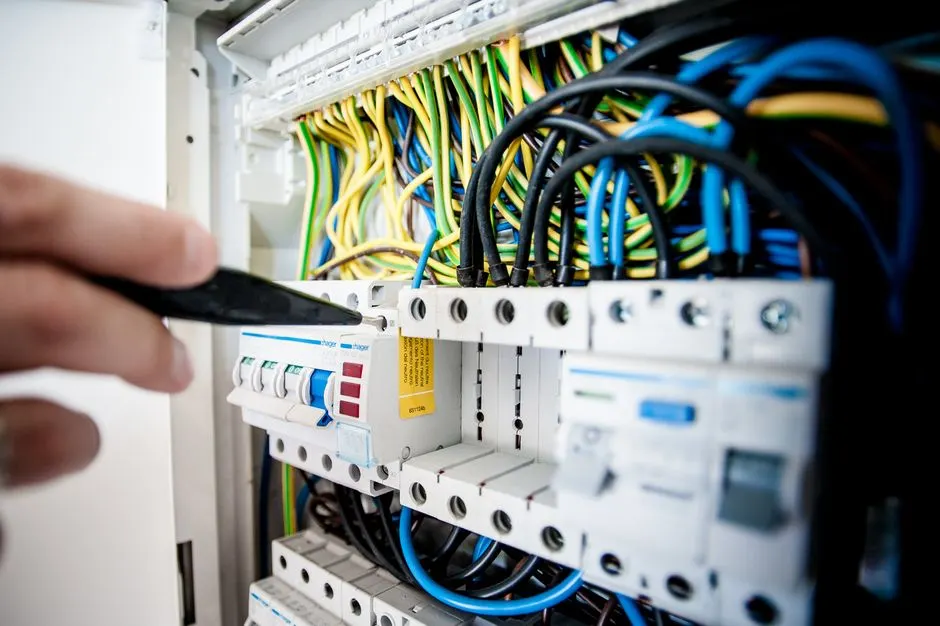 Emergency Circuit Breaker RepairA breaker that trips every time you reset it is often reacting to an arc downstream. We repair or replace the breaker, then trace the circuit to confirm the fault is gone, not just hidden behind a fresh breaker.Explore →
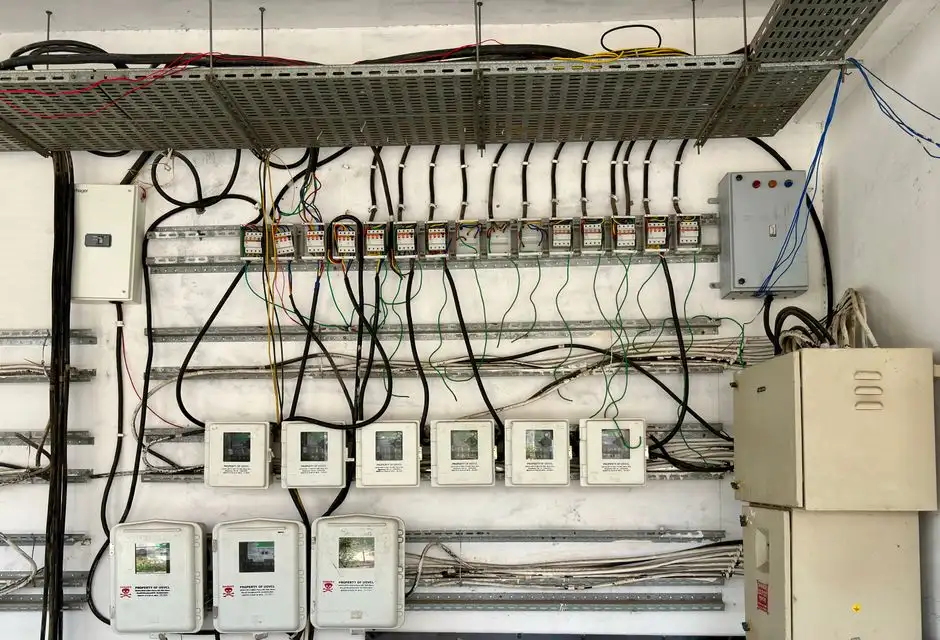 Circuit Breaker ReplacementScorched bus bars and pitted breaker contacts are arcing waiting to happen. We swap failed breakers with UL-listed Square D, Eaton, or Siemens units matched to your panel, and torque every lug to spec before we close the cover.Explore →
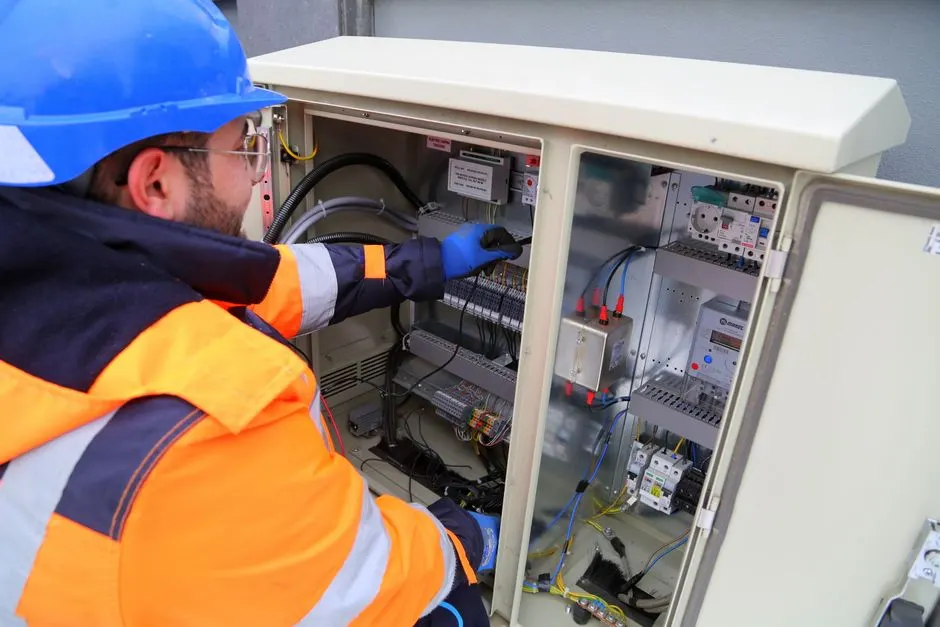 Emergency Electrical Panel RepairLoose neutrals and corroded lugs inside a panel are a top source of arcing. We inspect, clean, and repair panel connections, then thermal-scan the bus under load to prove the fix holds before we leave.Explore →
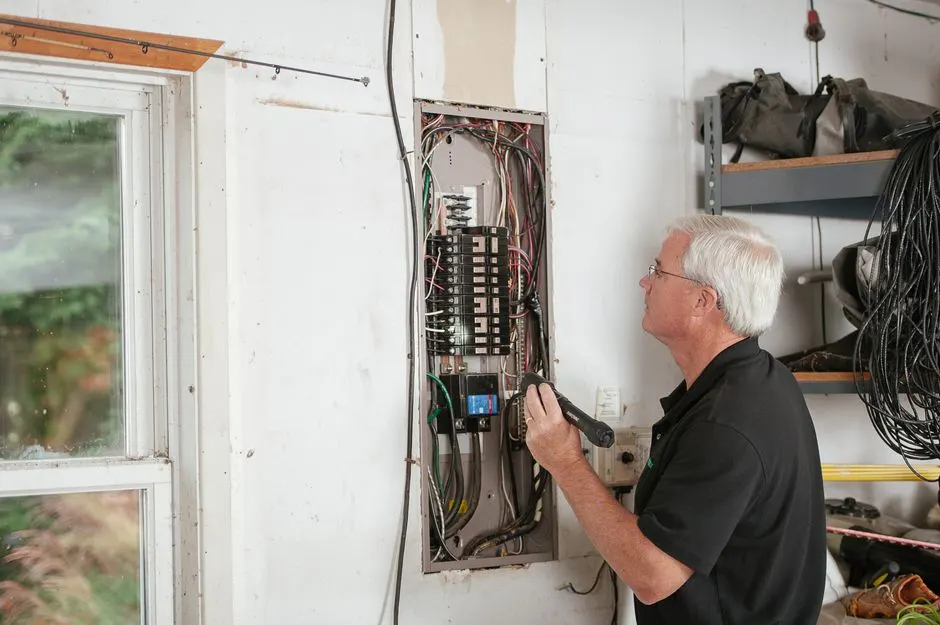 Electrical Panel ReplacementWhen arcing damage has pitted the bus bar or melted a breaker slot, replacement beats repair. We install a new panel, transfer every circuit, and label the directory so the next electrician knows exactly what feeds what.Explore →
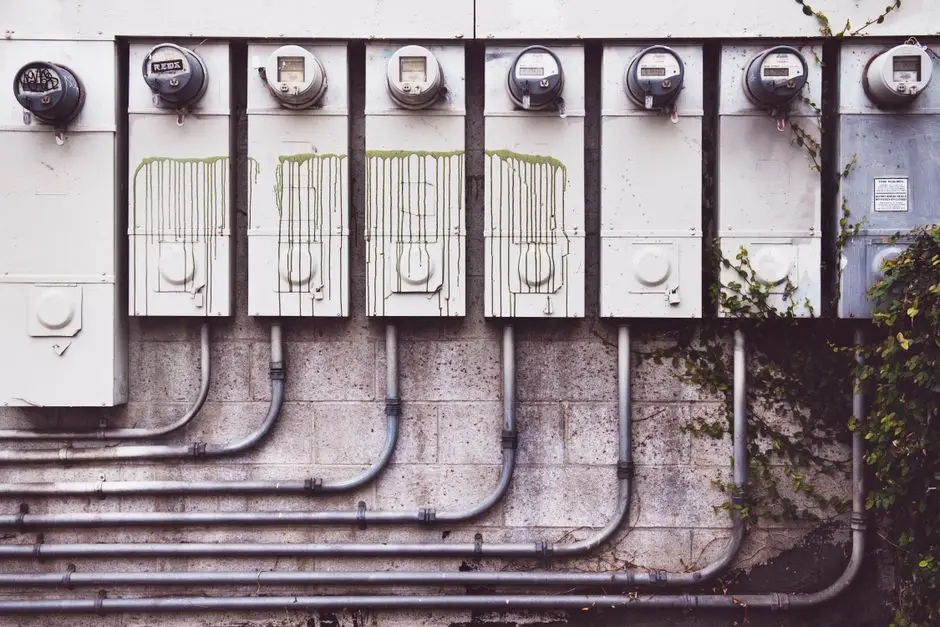 Electrical Panel UpgradeOlder 100-amp panels in Goldsboro's mill-era homes often cannot carry modern loads. An upgrade to 200 amps gives you room for AFCI breakers, which detect the arcing signature and trip before a fire starts.Explore →
 Emergency Power Loss TroubleshootingPartial power loss usually means a lost leg or a bad main breaker, not a utility outage. We meter the service, find the open connection, and restore power the same visit whenever the repair is on our side of the meter.Explore →
If a breaker keeps tripping, an outlet smells hot, or you hear buzzing behind a wall, do not wait for it to start a fire. Call (919) 335-9816 for same-day Electrical Arcing Inspection Goldsboro NC. Licensed, insured, and available 24/7 across Wayne County.
Call Now (919) 335-9816 →Call (919) 335-9816 any time, day or night. We answer live, give you a real arrival window, and dispatch the nearest truck. For non-emergency questions, email info@goldsboroelectricresponse.com and we will get back to you the same business day.