Exit sign dark, no light on push-to-test
We test the battery under load first. Nine times out of ten it is a dead 6V or 12V battery, and we swap it on the spot. If the battery is fine, we move to the charger board and the unswitched feed.
When an exit sign goes dark or a bug-eye head stops charging, Emergency Lighting Repair Goldsboro NC gets your building back in compliance fast. We test the battery, the charger board, the transfer relay and the branch circuit, then fix the actual fault instead of swapping parts until something works. Homes, restaurants, offices and rental units across Wayne County call us because we answer the phone at 2 a.m. and show up.
Tell us what is happening. Our local team will confirm your visit shortly.
Call Now (919) 335-9816 → No spam. No obligation. Just practical help.
Emergency Lighting Repair Goldsboro NC is the diagnostic and repair work that restores exit signs, combo units, bug-eye heads and remote emergency lamps to full 90-minute battery operation. That means checking the unswitched hot feed, the charger board, the sealed lead-acid or NiCad battery, the transfer relay and the lamp heads. A Fluke clamp meter and a multimeter confirm the circuit is live before we touch anything. Most single-fixture faults trace back to a dead battery, a fried charger board or a tripped circuit breaker on the lighting panel.
Goldsboro buildings age hard. Summer attic heat pushes 130 degrees, and winter ice storms knock out power for hours at a time, which is exactly when emergency lights have to carry the load. In older downtown storefronts and mid-century homes near Herman Park, we still find ungrounded circuits and cloth-wrapped wiring feeding the emergency leg. If your unit fails a push-to-test, call us before an inspector does. We handle emergency light fix Goldsboro calls seven days a week.
Every emergency lighting repair call includes a full diagnostic, the repair itself and a documented test. We tell you upfront what is covered and what would be a separate repair, so there are no surprises when the invoice arrives.
We test the unswitched feed, the charger board, the battery under load and the transfer relay with a Fluke multimeter. You get a straight answer on what failed and why, not a guess.
We stock 6V and 12V sealed lead-acid batteries and NiCad packs on the truck. Most battery swaps take 20 to 30 minutes per fixture, and we date-stamp the new battery so you know when it is due again.
Failed charger boards and stuck transfer relays are the second most common cause of emergency lighting failure. We replace them with UL-listed parts matched to your unit and confirm the charge rate before we close up.
If the emergency lighting leg is dead at the panel, we trace it back, test the breaker and repair the circuit. That includes checking for a tripped breaker, a loose connection or a short on the run.
Every unit we repair gets a 30-second push-to-test and a full 90-minute discharge test on the critical path. We log the results and leave you documentation for your fire marshal or insurance carrier.
You call (919) 335-9816 and describe what you see: dark exit sign, blinking head, chirping unit or a whole bank of lights out. We ask three or four questions, tell you whether it is safe to stay in the building, and dispatch the closest truck. Most calls are booked within 15 minutes.
A licensed electrician arrives, walks the building and identifies every failed unit. We check the unswitched circuit at the panel, test the battery under load with a Fluke meter, and inspect the charger board for burn marks. This walk takes 20 to 45 minutes on a typical commercial job.
You get a flat price per fixture and a total for the job before we open a tool bag. Battery-only swaps run less than board replacements, and we tell you which units are worth repairing versus replacing. No hourly surprises, no parts markup games.
We kill the circuit at the breaker, verify with a voltage tester, then swap batteries, charger boards, transfer relays or entire heads. Wiring repairs use THHN wire, wire nuts and conduit where the run is exposed. Most single-fixture jobs take 30 to 60 minutes.
Every repaired unit gets a 30-second push-to-test, then a 90-minute discharge test on the building's critical path units. We log the results, note battery install dates on the housing, and hand you the paperwork your fire marshal or insurance carrier wants to see.
Purpose-built equipment, used by trained technicians — so the job is done accurately the first time.
Measures AC and DC voltage at the fixture and the panel to confirm the unswitched feed is live and the charger output is in spec.
Reads current draw on the emergency lighting circuit without breaking the connection, which helps spot a failing charger board or a shorted battery.
Checks the emergency leg for insulation breakdown, which is a common cause of nuisance breaker trips in older Goldsboro buildings.
Confirms the circuit is de-energized before we open a fixture or a junction box, per NFPA 70E safe work practices.
Wire strippers, cable rippers and screwdrivers used for clean terminations on THHN wire and device replacements.
Drives mounting screws and anchors when we replace a fixture housing or relocate a unit to a code-compliant position.
A Downtown Goldsboro restaurant failed a health inspection with two dark exit signs and a chirping combo unit. The owner had already replaced batteries once with no luck, and the units were still failing push-to-test.
We traced the problem to a failed charger board on one unit and a tripped breaker on the emergency leg. Both were repaired, batteries were replaced, and all three units passed a 90-minute discharge test the same afternoon.
A Berkeley landlord had four duplexes with emergency lights that kept failing between tenants. Two units were completely dead, one chirped constantly, and one worked only on battery power.
We replaced three batteries, one charger board and repaired the unswitched feed on the fourth unit. All four properties passed a 90-minute test, and the landlord got a written log for each address.
A Rosewood church had three exit signs flagged by the fire marshal and a fellowship hall wing that went dark during a brief outage. The panel was old and the emergency leg shared a breaker with hallway lighting.
We moved the emergency lighting to a dedicated breaker, replaced two batteries and one lamp head, and retested every unit on the critical path. The re-inspection passed with documentation on file.
Most emergency lighting failures fall into a handful of categories. Here is what we see most often in Goldsboro and how we fix it.
Ask a pro →We test the battery under load first. Nine times out of ten it is a dead 6V or 12V battery, and we swap it on the spot. If the battery is fine, we move to the charger board and the unswitched feed.
We measure charger output and battery voltage with a multimeter. If the charger is weak, we replace the board. If the battery is at end of life, we swap it and date-stamp the housing.
We check the panel first, reset or replace the breaker, then test each fixture. Storm damage to the emergency leg is common, and we repair the wiring with THHN and new junction boxes where needed.
We trace the unswitched circuit from the panel to the fixture, find the break, and repair it. Common causes are a tripped breaker, a loose wire nut in a junction box or a failed connection at the unit.
$95 - $340 per fixture, installed, depending on scope
Typical 2026 pricing in this area runs $95 to $165 for a battery replacement and $185 to $340 for a charger board or transfer relay replacement, installed. Whole-building jobs with 10 or more fixtures get volume pricing. We quote a flat per-fixture price before we start, so you know the total before we open a tool bag. If a unit is not worth repairing, we tell you and price the replacement instead.
You are paying for a licensed electrician, the right parts on the truck and a documented test that satisfies your fire marshal. A failed exit sign can shut down a restaurant or fail an inspection, and the cost of that is far higher than the repair.
A single combo unit is a quick job. A building with 20 exit signs and remote heads takes longer and gets volume pricing per unit, which lowers the cost per fixture significantly.
Battery swaps are the least expensive repair. Charger board and transfer relay replacements cost more because the parts are pricier and the diagnostic time is longer.
If the emergency leg has a tripped breaker, a loose connection or damaged wiring, that repair adds to the job. Older Goldsboro buildings with ungrounded circuits often need this.
Standard business-hour calls are priced lower. After-hours, weekend and holiday calls carry a dispatch premium, but we still quote the full price before we start.
“Two of my exit signs went dark the night before a health inspection. I called at 9 p.m. and a technician was here in about 75 minutes. He swapped both batteries, tested the units for 90 minutes and left me the paperwork. Inspection passed the next morning. That is the whole story.”
Marcus T.Restaurant Owner, Downtown Goldsboro
✓ Verified“I manage four rental duplexes near Berkeley and the emergency lights kept failing between tenants. Goldsboro Electric Response walked all four units, replaced three batteries and one charger board, and gave me a test log for each property. No callbacks in eight months, which is a record for me.”
Denise R.Landlord, Berkeley
✓ Verified“Our fellowship hall exit signs would not hold a charge and the fire marshal flagged them. The electrician traced it to a tripped breaker on the emergency leg plus two dead batteries. He fixed the circuit, replaced the batteries and documented the 90-minute test. Clean, fast and no surprise on the bill.”
Pastor James W.Church Administrator, Rosewood
✓ VerifiedMost residential and small commercial jobs run $95 to $340 per fixture in 2026, depending on whether we are swapping a battery or replacing a charger board. A standard 6V or 12V battery swap installed runs $95 to $165. A charger board or transfer relay replacement runs $185 to $340. Whole-building jobs with 10 or more units get a volume price.
Licensed electrical contractors with life-safety experience. Goldsboro Electric Response handles emergency lighting repair in Goldsboro North Carolina for homes, restaurants, offices and rental properties across Wayne County. We carry the batteries, boards and lamp heads on the truck, so most calls are finished in one visit rather than two.
Yes. Same-day emergency lighting repair Goldsboro NC is our standard for calls placed before 4 p.m., and after-hours calls get a 60 to 90 minute response inside the city. We keep 6V and 12V sealed lead-acid batteries, NiCad packs and LED heads in stock, which is what makes one-trip repairs possible.
The three most common causes are a dead battery, a failed charger board and a tripped circuit breaker on the emergency lighting panel. Summer attic heat above 120 degrees shortens battery life to two or three years, and storm-related power outages in Wayne County stress charger boards. A multimeter test tells us which one it is in about five minutes.
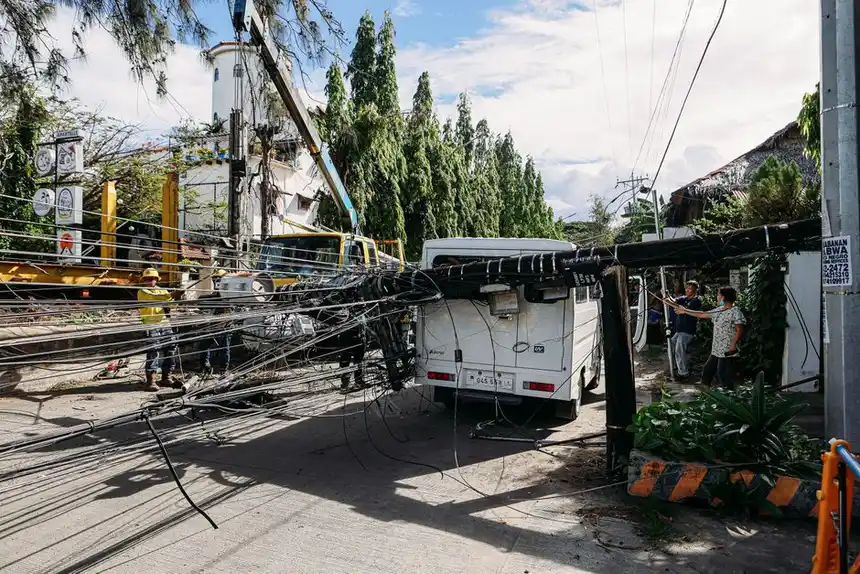 Residential Emergency ElectricianEmergency lighting failures in Goldsboro homes often trace back to a tripped breaker or a bad circuit on the same panel. Our residential emergency electricians handle both in one visit, so your hallway lights and your exit path work together.Explore →
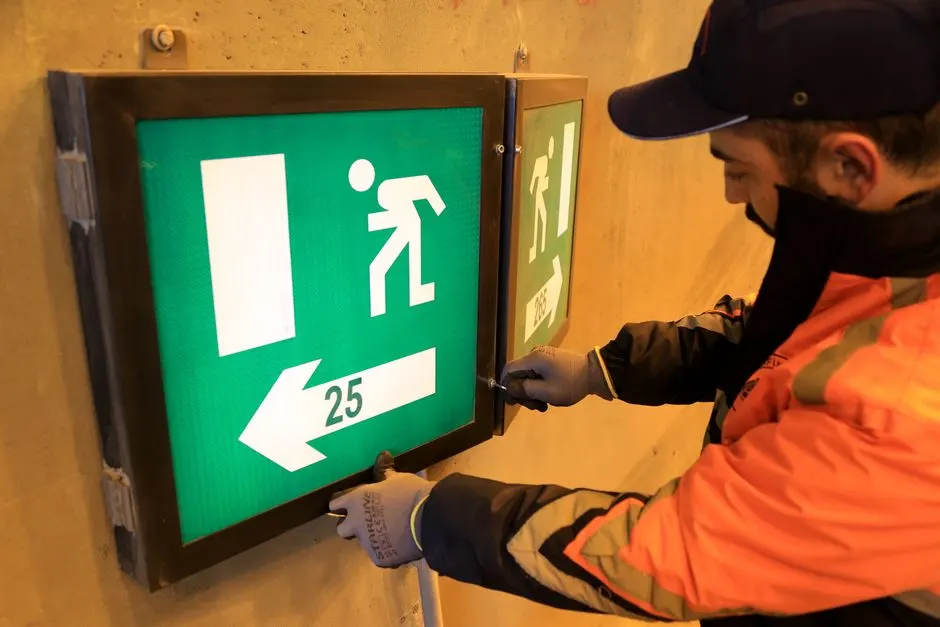 Commercial Emergency ElectricianRestaurants, offices and retail spaces in Goldsboro need emergency lighting that passes inspection. Our commercial team repairs exit signs, combo units and remote heads, then documents the 90-minute test for your fire marshal file.Explore →
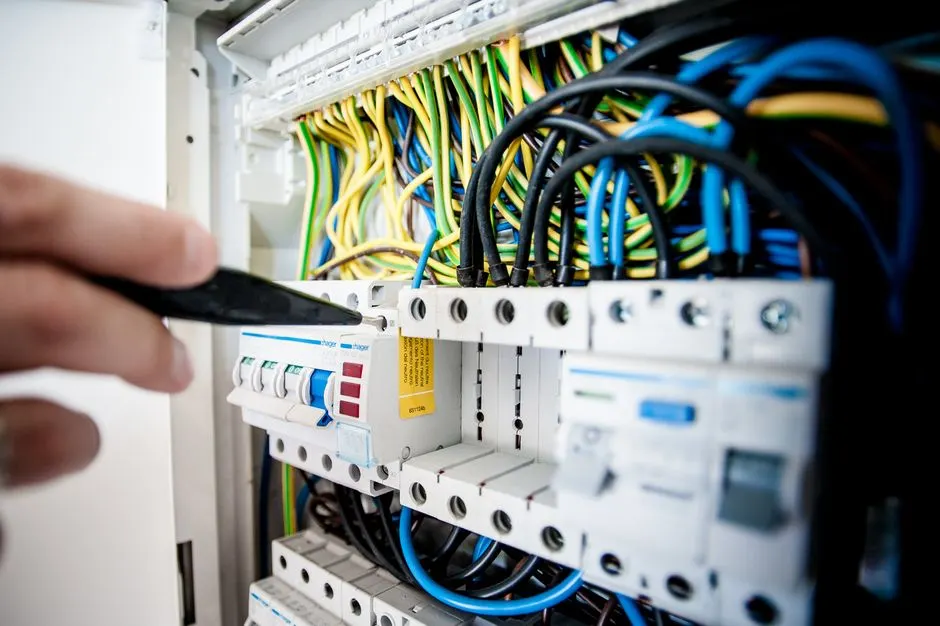 Emergency Circuit Breaker RepairA breaker that keeps tripping on the emergency lighting leg will kill your exit signs every time. We diagnose the fault, repair or replace the breaker, and confirm the unswitched feed is stable before we leave the panel.Explore →
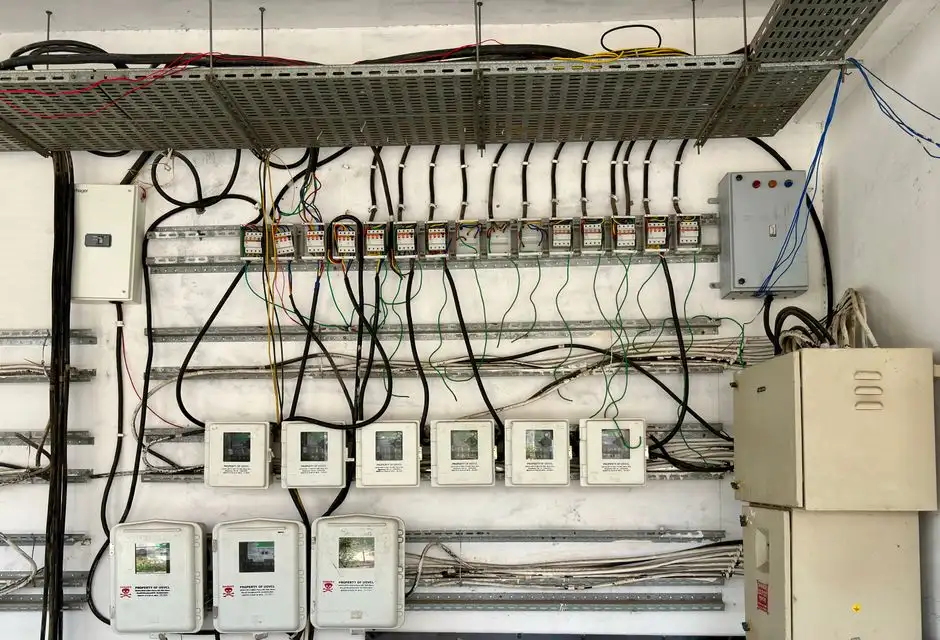 Circuit Breaker ReplacementWhen a Square D, Eaton or Siemens breaker feeding your emergency circuit fails, we replace it with a matching UL-listed unit. That keeps your life-safety lighting on a dedicated, code-correct circuit instead of a shared one.Explore →
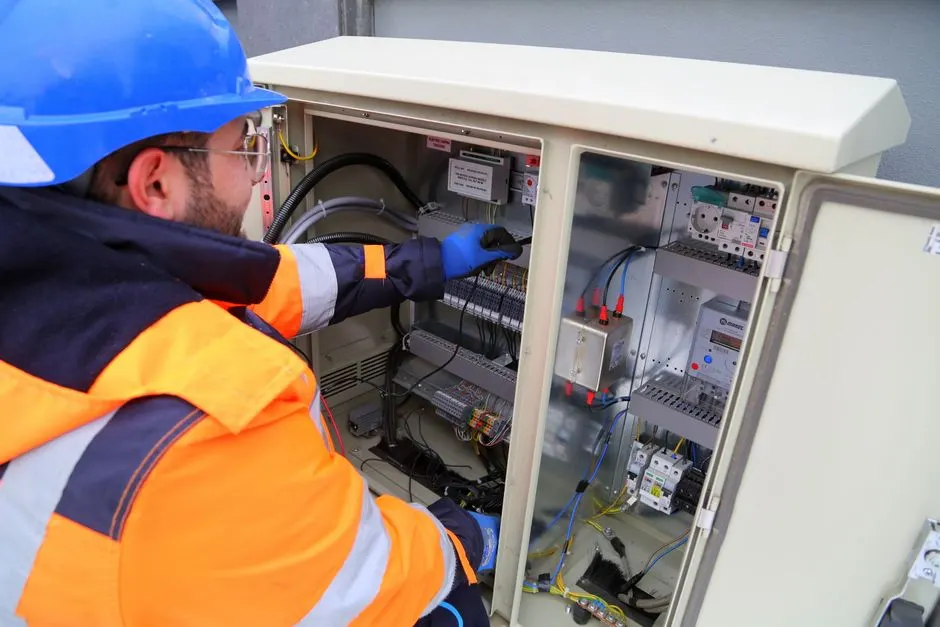 Emergency Electrical Panel RepairWater-damaged or overheating panels in Goldsboro often take the emergency lighting circuit down with them. We repair the panel, restore the branch feed and retest every exit sign on that leg before closing up.Explore →
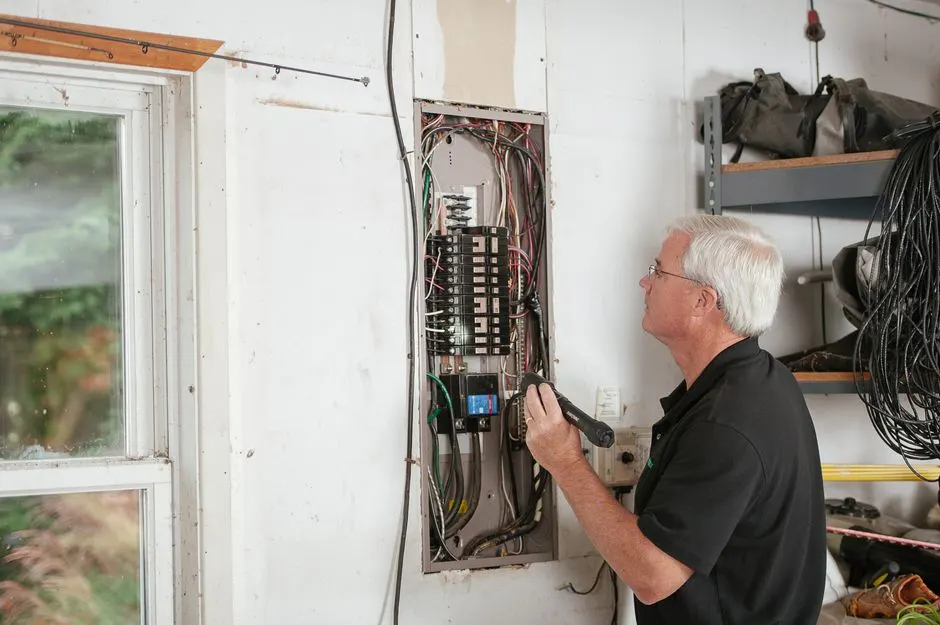 Electrical Panel ReplacementIf your panel is too old or too full to support a dedicated emergency lighting circuit, we replace it with a modern panel sized for the load. That gives your exit signs the unswitched feed NEC Article 700 requires.Explore →
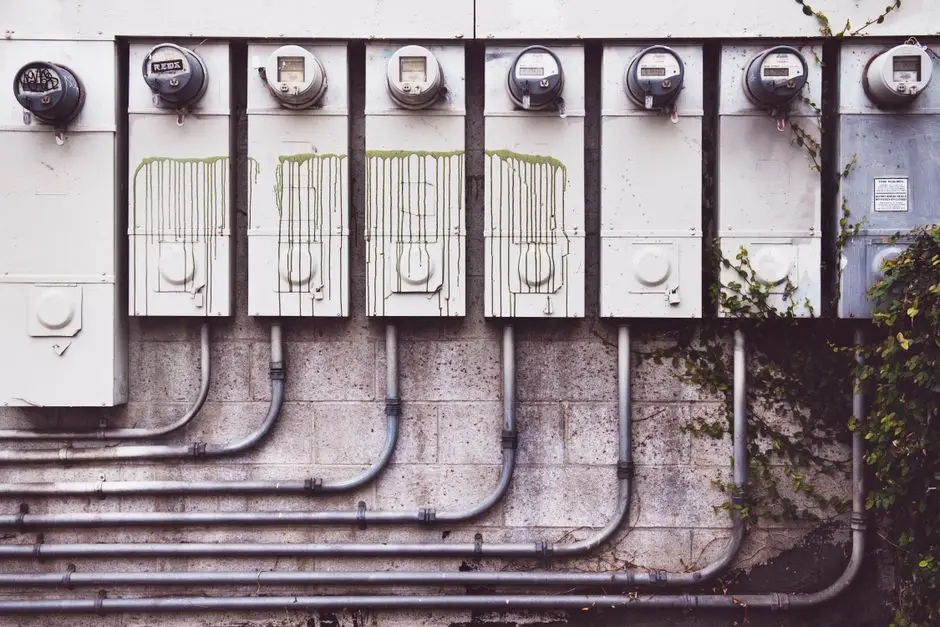 Electrical Panel UpgradeAdding emergency lighting to a Goldsboro building often means upgrading the panel to handle the new circuit. We size the upgrade, pull the permit and install the dedicated breaker your life-safety system needs.Explore →
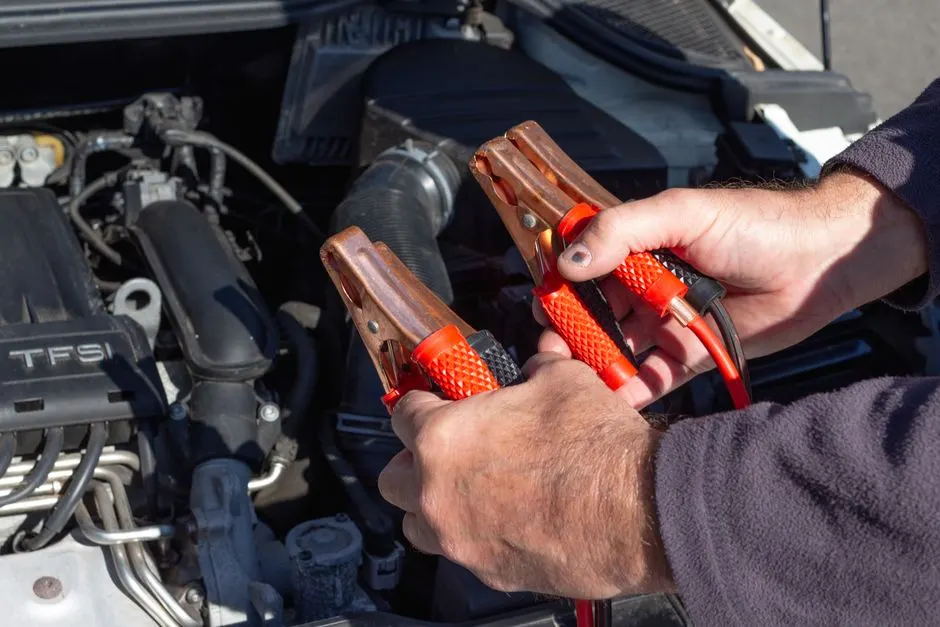 Emergency Power Loss TroubleshootingWhen the whole building goes dark and the emergency lights do not come on, the problem is upstream. We trace the feed from the meter to the panel to the fixture and find where the power is actually stopping.Explore →
One call gets a licensed electrician to your door with the batteries, boards and lamp heads to finish the job. We answer 24/7, we quote flat pricing before we start, and we test every unit before we leave. Call (919) 335-9816 now.
Call Now (919) 335-9816 →Call (919) 335-9816 any time, day or night. We answer live, give you a real arrival window, and dispatch the nearest truck. For non-emergency questions, email info@goldsboroelectricresponse.com and we will get back to you the same business day.